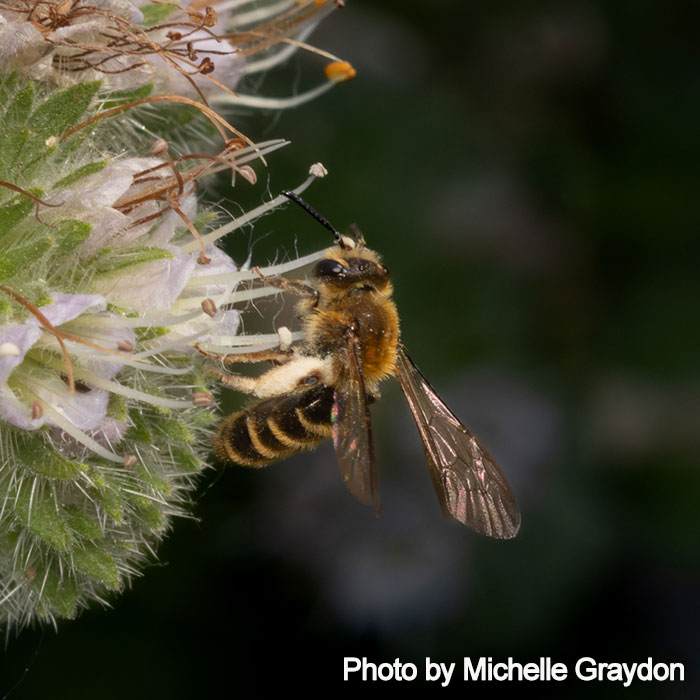
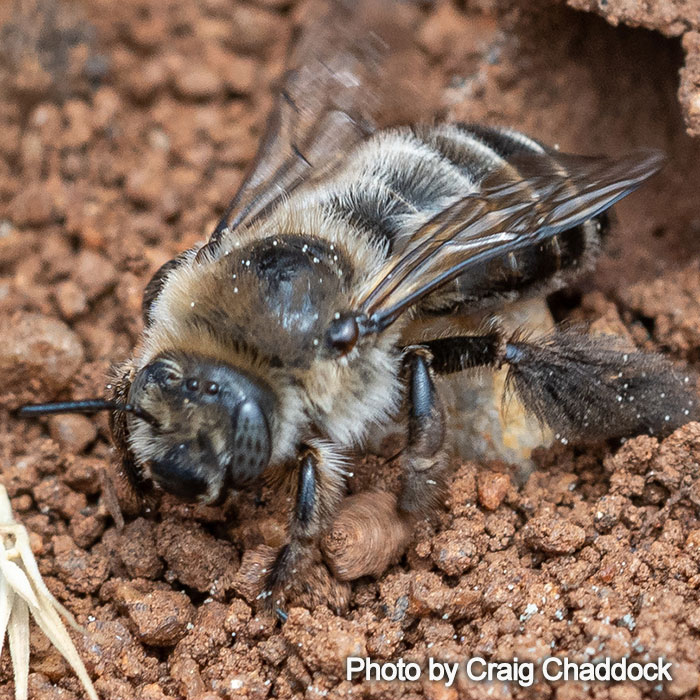
Diet: Generalist
Sociality: Solitary
Size: 8-10 mm long
Nesting strategy: Underground burrows dug in bare soil
Pollen transport: On the hind legs and on specialized hairs on the back of the thorax
Range: Western North America, widespread across much of California
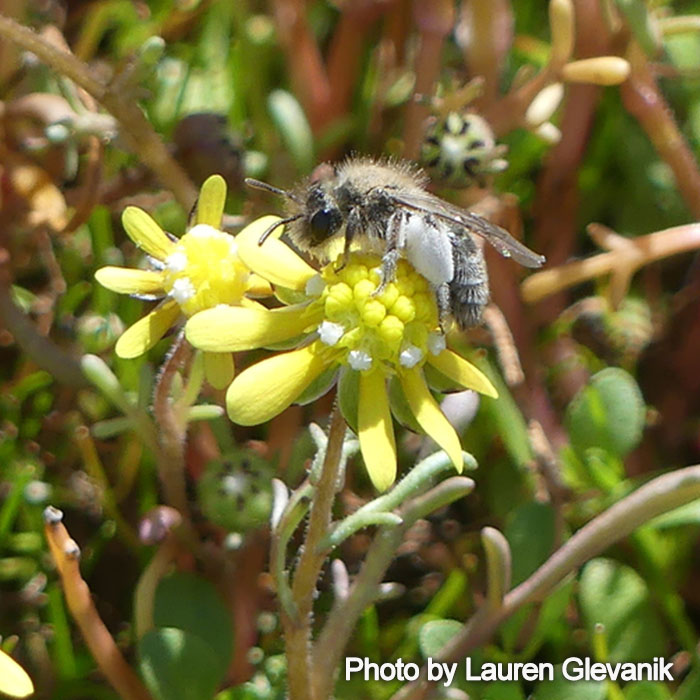
Diet: Specialist on Blennosperma flowers
Sociality: Solitary
Size: 7-9 mm long
Nesting strategy: Underground burrows
Pollen transport: On the hind legs
Range: California and Baja California endemic
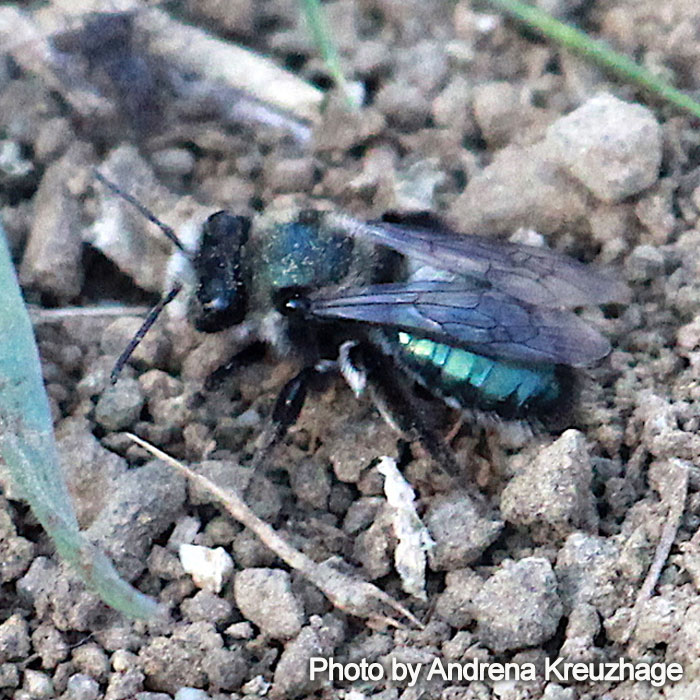
Diet: Generalist
Sociality: Solitary
Size: 10-13 mm long
Nesting strategy: Underground burrows
Pollen transport: On the hind legs and on specialized hairs on the back of the thorax
Range: Western North America, widespread across California
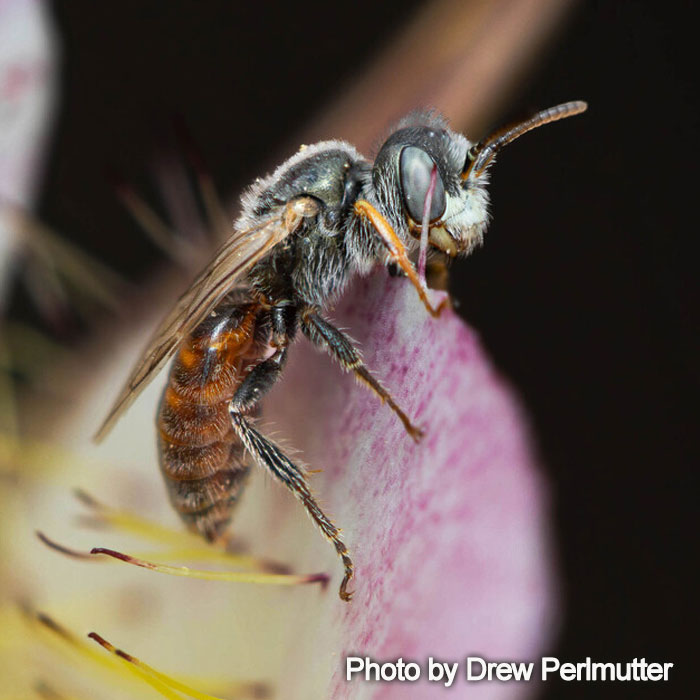
Diet: Specialist on mariposa lily (Calochortus spp.) flowers
Sociality: Solitary
Size: 6 mm long
Nesting strategy: Underground burrows
Pollen transport: On the hind legs
Range: Endemic to California and Baja California
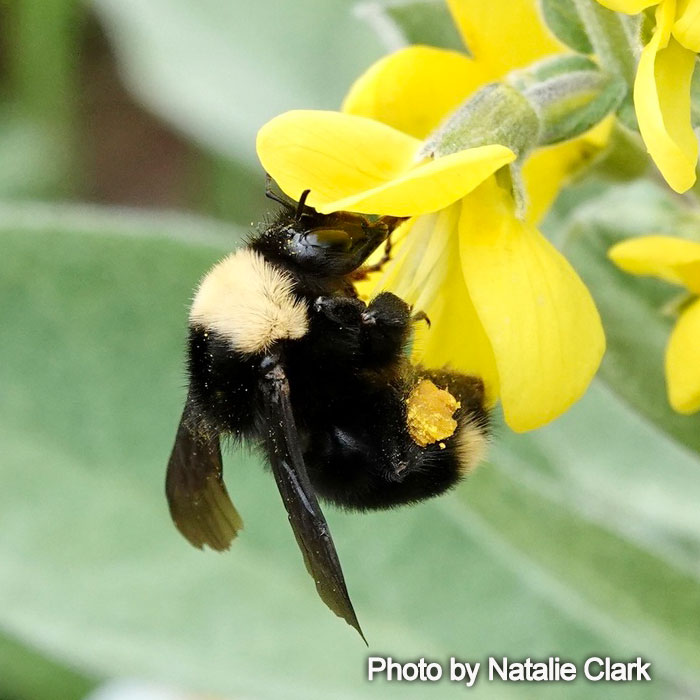
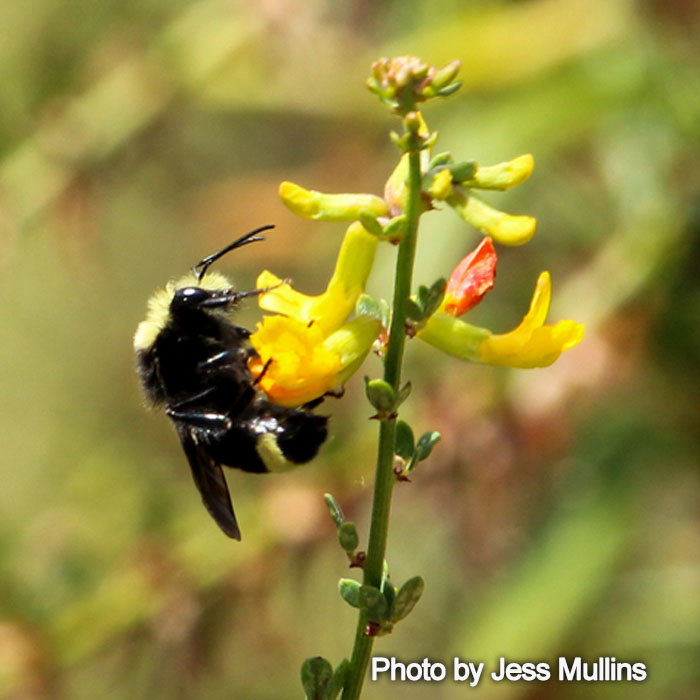
Diet: Generalist
Sociality: Social, living in annual colonies
Size: 10-26 mm long, depending on caste
Nesting strategy: Underground cavities, often abandoned rodent burrows
Pollen transport: On the hind legs in “pollen baskets” (corbicula)
Range: Western North America
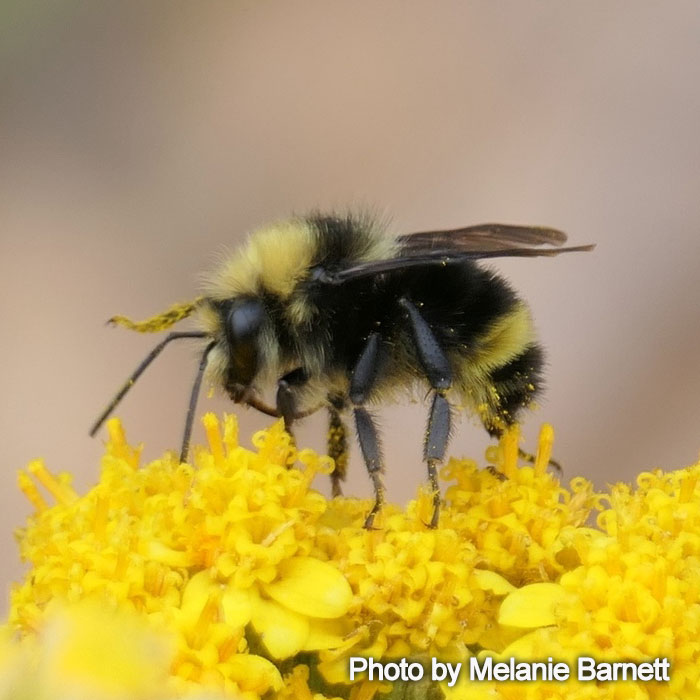
Diet: Generalist
Sociality: Social, living in annual colonies
Size: 10-26 mm long, depending on caste
Nesting strategy: Underground cavities, often abandoned rodent burrows
Pollen transport: On the hind legs in “pollen baskets” (corbicula)
Range: Western North America along the coast
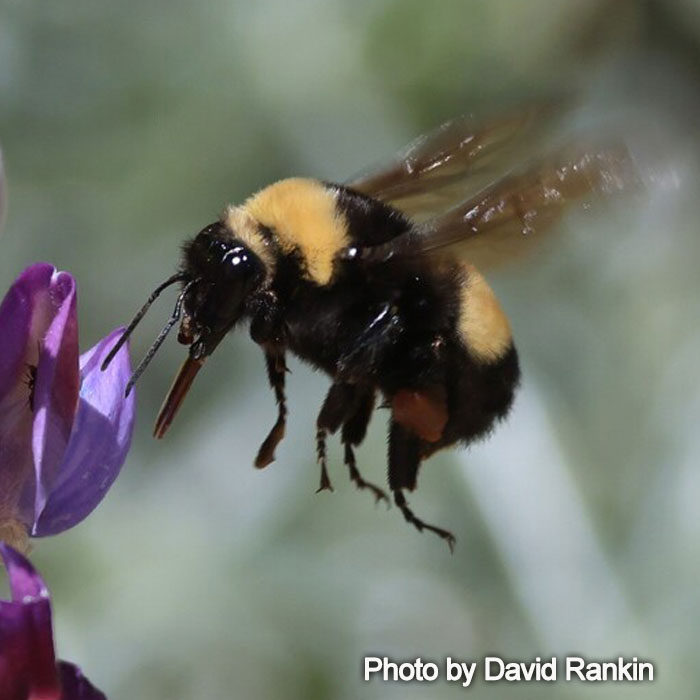
Diet: Generalist
Sociality: Social, living in annual colonies
Size: 14-24 mm long, depending on caste
Nesting strategy: Underground cavities, often abandoned rodent burrows
Pollen transport: On the hind legs in “pollen baskets” (corbicula)
Range: Endemic to California and Baja California
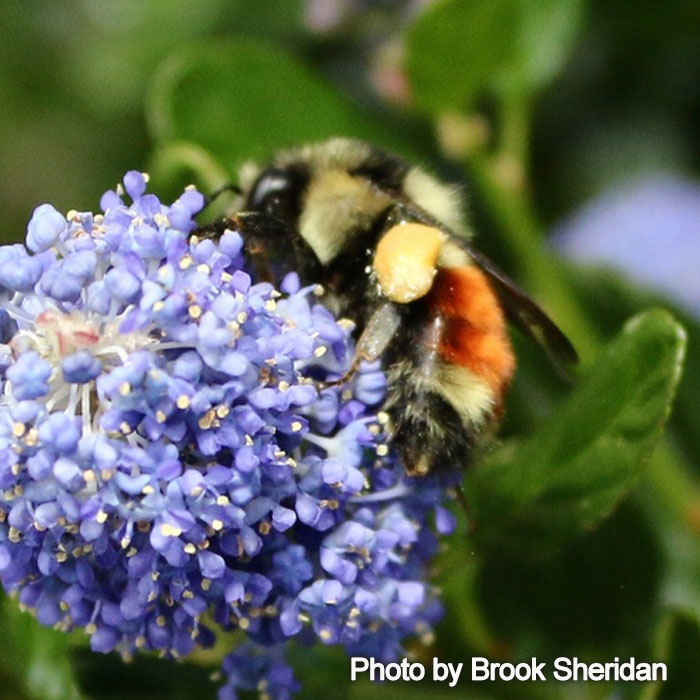
Diet: Generalist
Sociality: Social, living in annual colonies
Size: 10-21 mm long, depending on caste
Nesting strategy: Underground cavities, often abandoned rodent burrows
Pollen transport: On the hind legs in “pollen baskets” (corbicula)
Range: Western North America
Diet: Generalist
Sociality: Social, living in annual colonies
Size: 8-21 mm long, depending on caste
Nesting strategy: Underground cavities, often abandoned rodent burrows
Pollen transport: On the hind legs in “pollen baskets” (corbicula)
Range: Western North America, especially in California, Oregon, and Washington
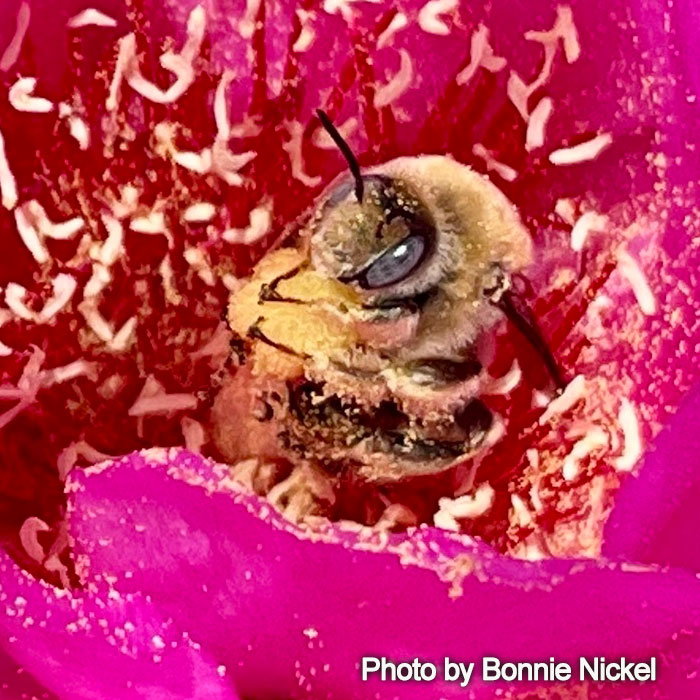
Diet: Specialist on cactus flowers
Sociality: Solitary, often nesting in dense aggregations
Size: 10-15 mm
Nesting strategy: Underground burrows with soil chimneys
Pollen transport: On the hind legs
Range: Western North America wherever their host plant cactus (Opuntia, Cylindropuntia spp.) occurs
Diet: Specialist on bindweeds and morning glories (Convolvulaceae)
Sociality: Solitary, often nesting in aggregations
Size: 10-15 mm
Nesting strategy: Underground burrows with soil chimneys
Pollen transport: On the hind legs
Range: Western North America, mostly restricted to California
Diet: Generalist, favoring spring wildflowers
Sociality: Solitary
Size: 10-21 mm
Nesting strategy: Underground burrows
Pollen transport: On the hind legs
Range: Western North America, especially in California
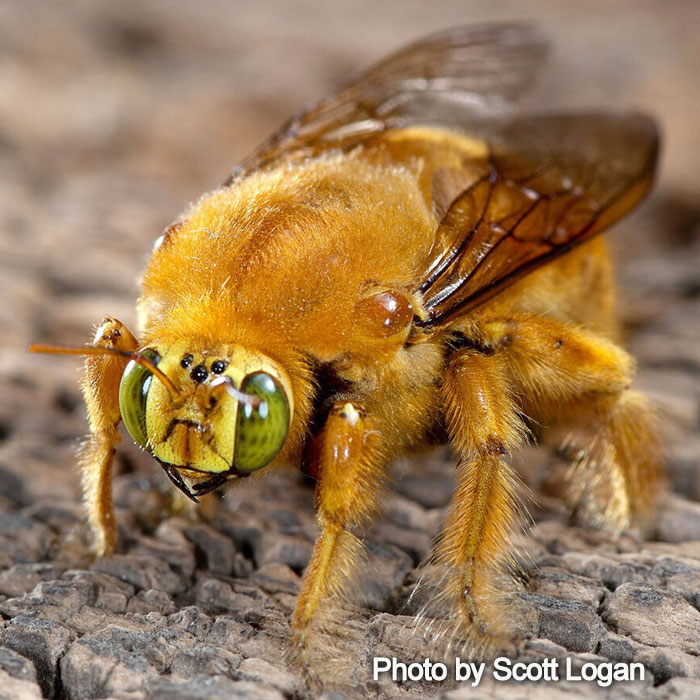
Diet: Generalist
Sociality: Quasi-social, meaning there is parental care and overlapping generations in a nest, with reproductive division of labor, but not formalized castes like honey bees.
Nesting strategy: Tunnels excavated in wood
Pollen transport: On the hind legs
Range: Across the desert southwest, and introduced to the Pacific Islands and tropical regions
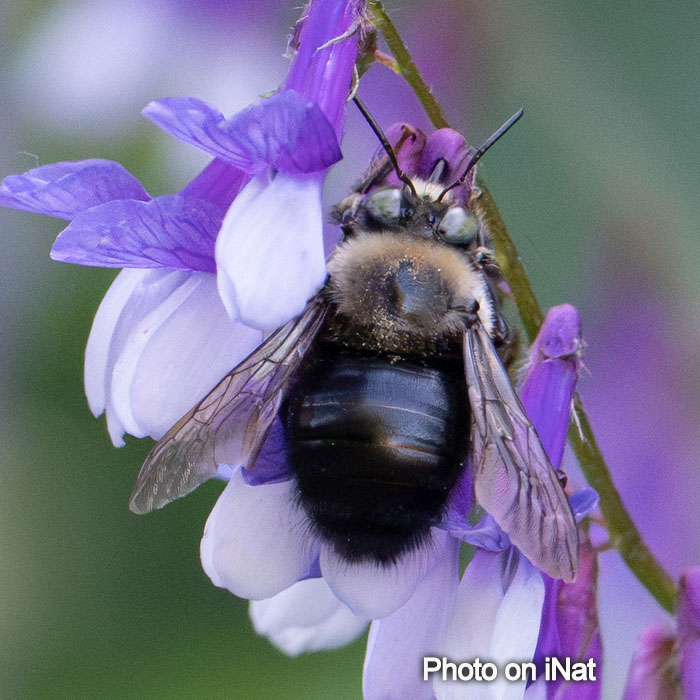
Diet: Generalist
Sociality: Quasi-social, meaning there is parental care and overlapping generations in a nest, with reproductive division of labor, but not formalized castes like honey bees.
Nesting strategy: Tunnels excavated in dead wood
Pollen transport: On the hind legs
Range: Western North America, especially Oregon, California, and Baja California
Diet: Generalist
Sociality: Solitary, sometimes nesting in large aggregations–like a single apartment in an apartment complex!
Size: ~10 mm long
Nesting strategy: Underground burrows
Pollen transport: On the hind legs
Range: Widespread across western North America
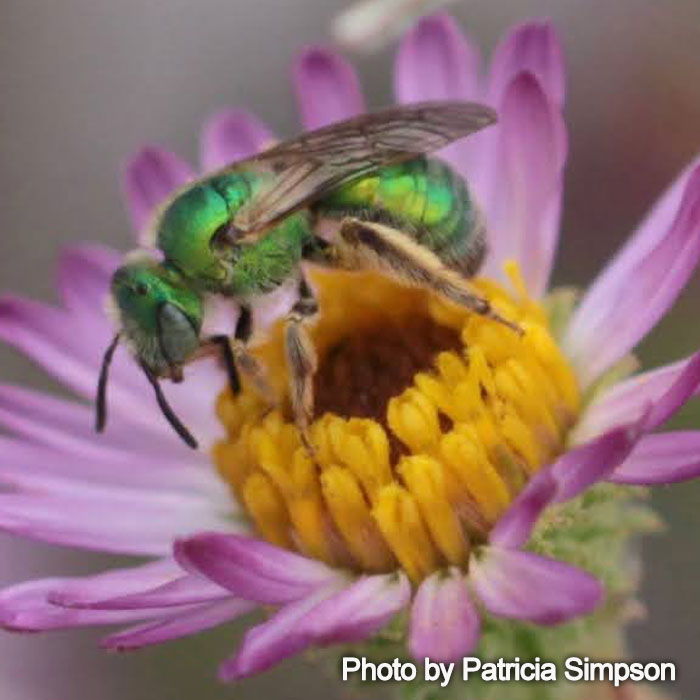
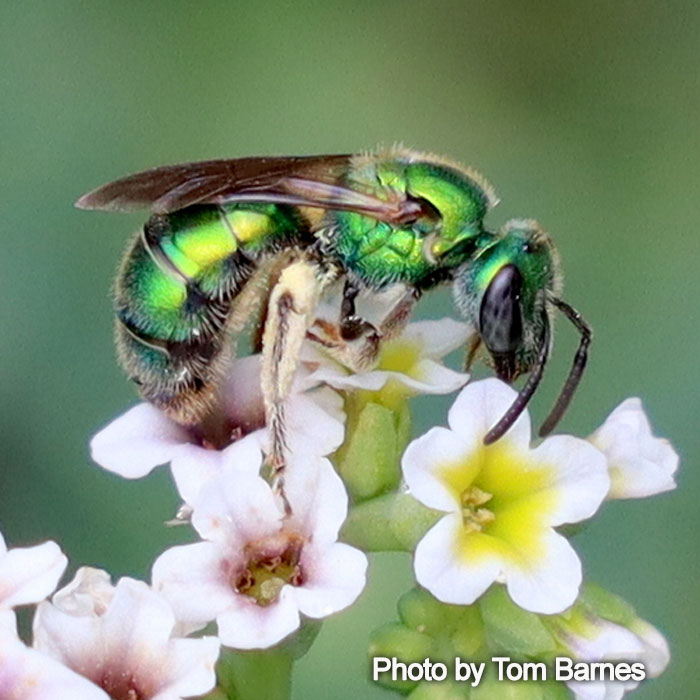
Diet: Generalist
Sociality: Flexible eusocial
Size: 7-9 mm long
Nesting strategy: Underground burrows
Pollen transport: On hind legs
Range: Common in western North America
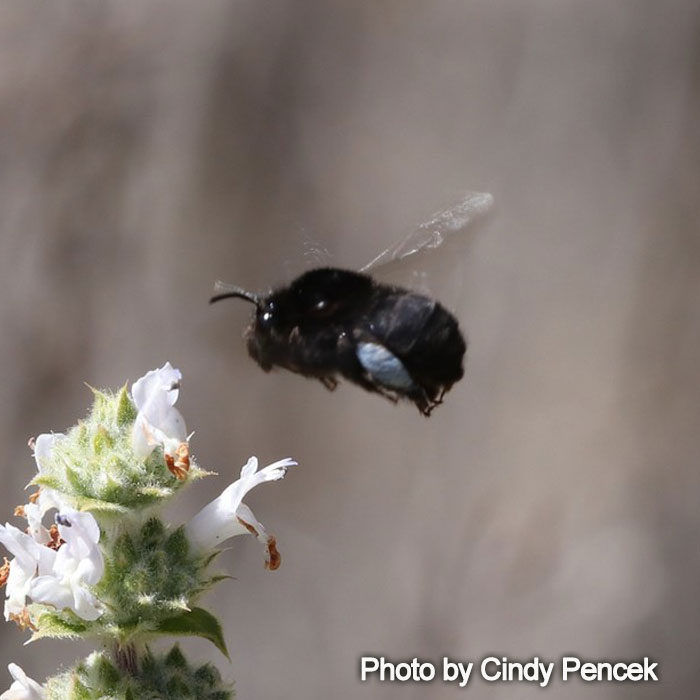
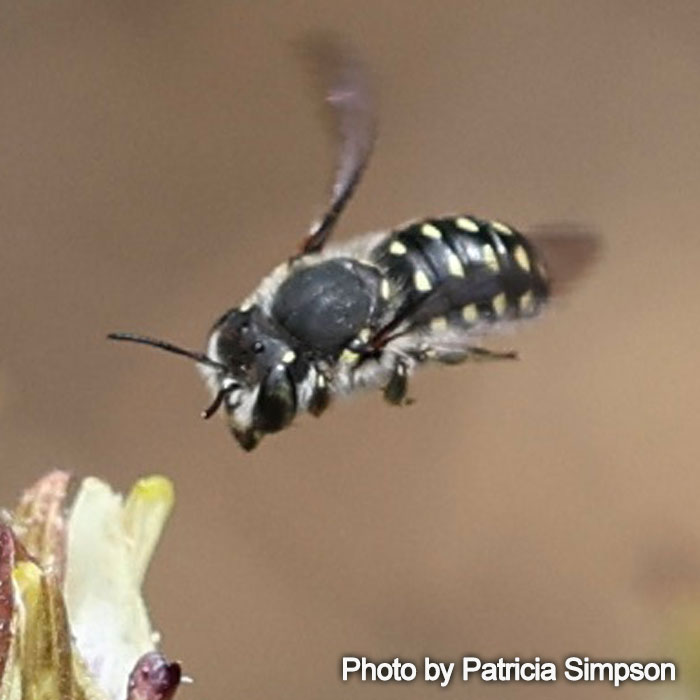
Diet: Generalist, though floral records suggest that they have a slight preference for flowers in the legume family, such as the genus Lotus (Acmispon).
Sociality: Solitary
Size: 8-13 mm
Nesting strategy: Build nests out of plant resin and other gathered materials
Pollen transport: On the underside of the abdomen
Range: Widespread across western North America
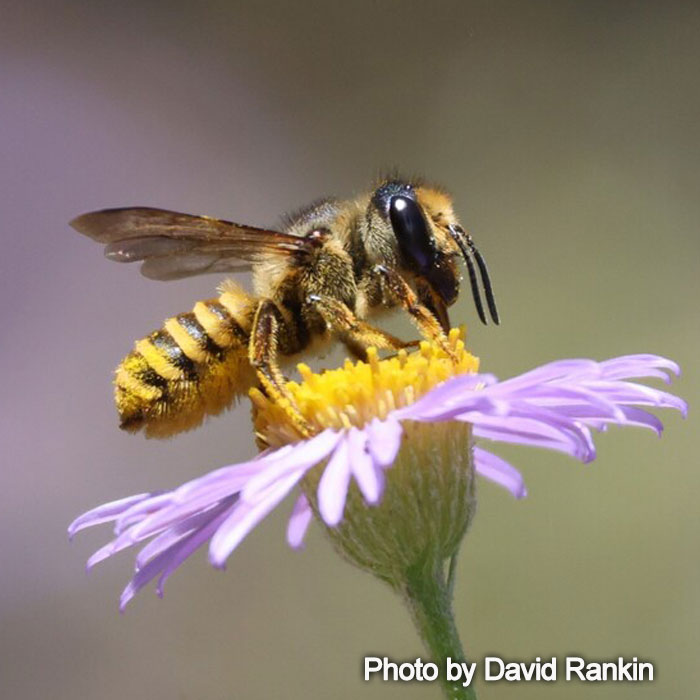
Diet: Generalist, but often found on sunflowers (Helianthus spp.)
Sociality: Solitary
Size: 11-13 mm
Nesting strategy: Renters in pre-existing cavities
Pollen transport: On the underside of the abdomen
Range: Western North America
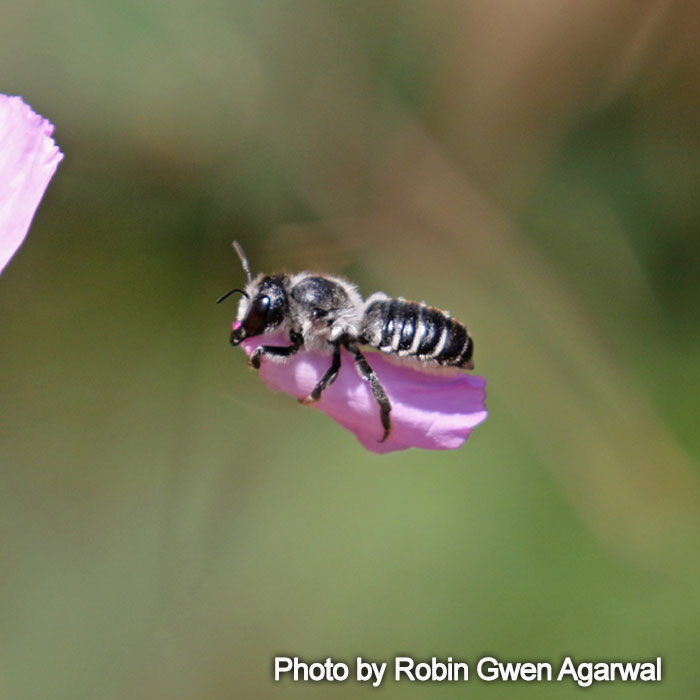
Diet: Generalist
Sociality: Solitary
Size: 11-13 mm
Nesting strategy: Renters in pre-existing cavities or underground in soil
Pollen transport: On the underside of the abdomen
Range: Widespread across North America